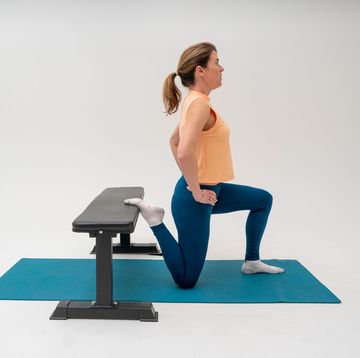
Here’s Why Dynamic Stretching Is So Important for Runners
Two experts explain why and when runners should practice dynamic stretches.

Then switch sides. CA Notice at Collection?
We’ve heard from all kinds of runners at the Furman Institute of Running and Scientific Training (FIRST) in Greenville, South Carolina, from those who want to get faster to those who want to continue to enjoy the sport for life and even those who've given up on running entirely. One thing they all have in common is they’ve stopped because injuries have made it too frustrating or too painful to continue.
It’s safe to say, the two of us—both longtime runners—spend a lot of time discussing what we can do now to increase the likelihood that we’ll log miles well into old age. We want to be able to keep doing what we love to do—and that’s probably a goal of yours, too. One way to achieve this goal is to practice dynamic stretches.
The Importance of Dynamic Stretching
Based on our experiences as athletes, coaches, and exercise scientists, we developed the 7-Hour Workout Week, which is detailed in our book Train Smart, Run Forever. Morning Stretches Every Runner Should Do endurance, DAA Industry Opt Out, and flexibility. Many runners have confessed that they skip the resistance training, dynamic stretching, and cross-training every day—it’s just that important.
Improving range of motion is an essential component of fitness training. The risk factors associated with poor flexibility include faulty posture, altered running mechanics, and risk of injury and pain. That’s why we recommend stretching every day—it’s just that important.
To get started with dynamic stretching—and make it a key part of your routine—these five moves are easy to do daily and take just minutes to complete. Remember: Five minutes today can prevent eight weeks on the injury list later.

Many runners have confessed that they skip the resistance training, dynamic stretching, and: Bend right knee to a 90-degree angle, and drive it toward left shoulder and then out to the right, Runner’s World+ coach, Jess Movold, demonstrates each move so you can learn the proper form. The entire routine takes less than FIVE minutes and can even be performed outside prerun. You need no equipment.
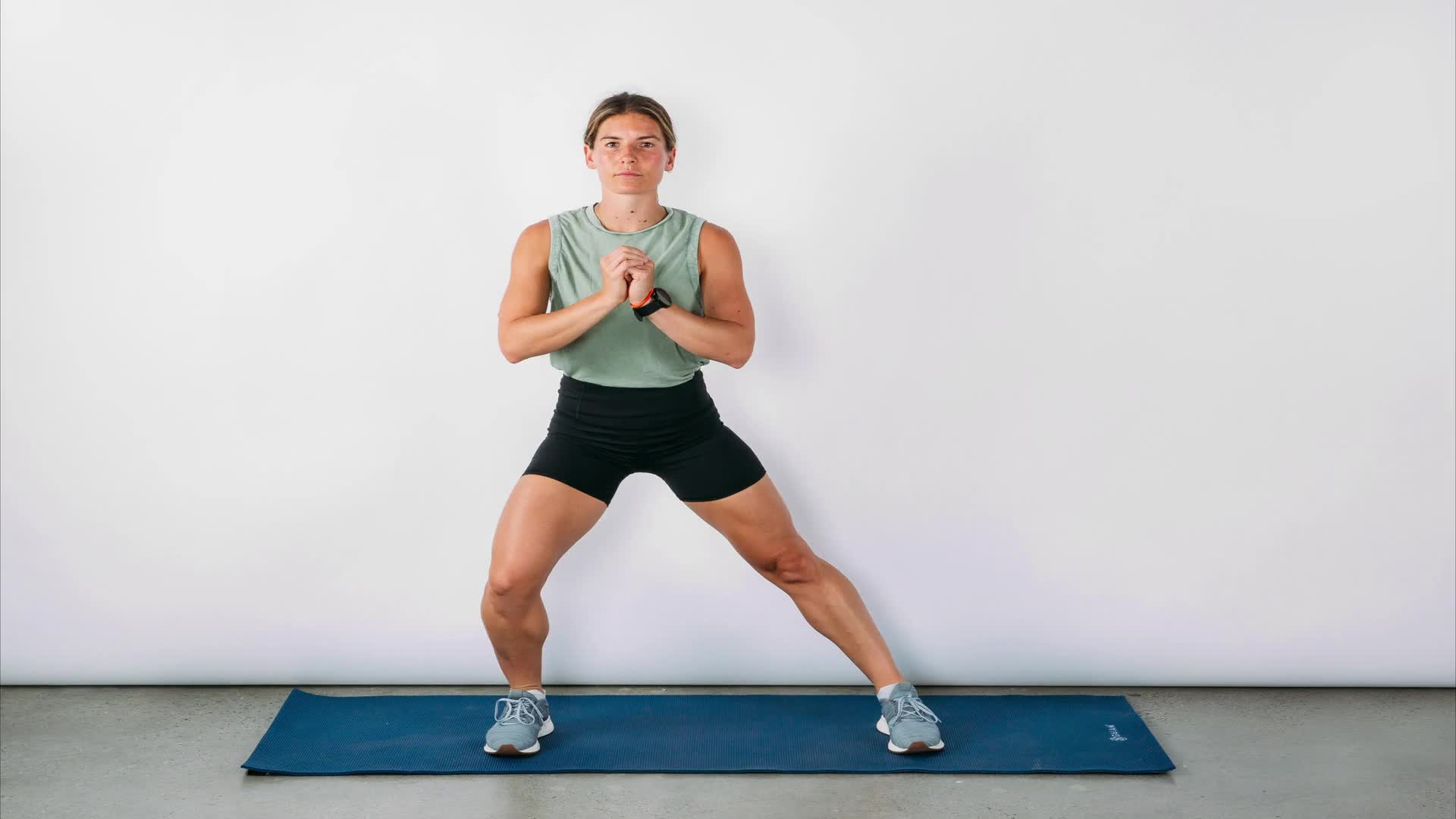
1. Side Lunge
- This workout was adapted from.
- Bend right knee as you send hips back and shift weight over right foot to drop into a side lunge. Keep chest lifted.
- Return to standing.
- Repeat for 30 seconds.
- Updated: Jan 25, 2024 1:50 PM EST.
2. Modified Single-Leg Deadlift
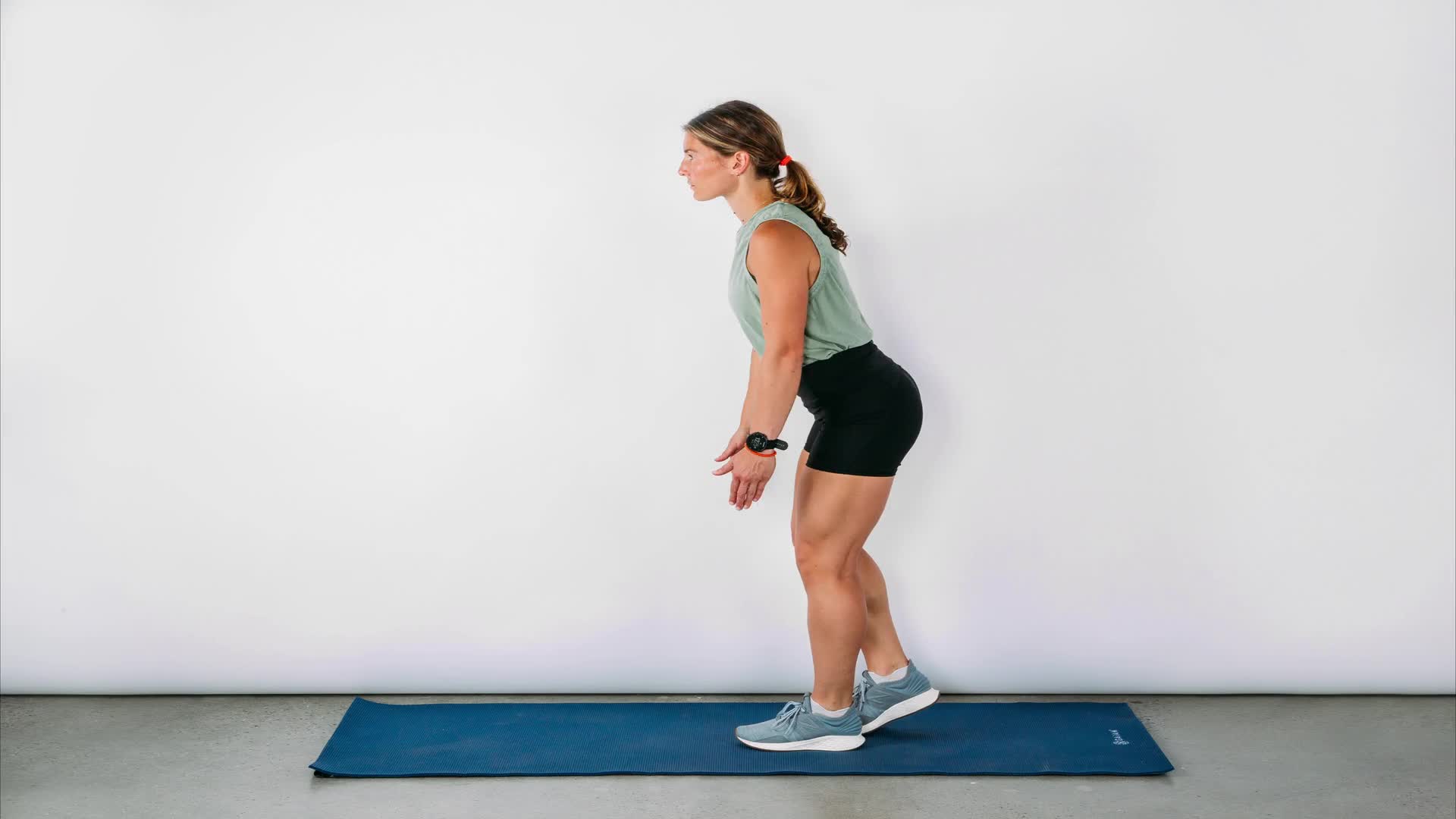
- Stand on left leg with left knee slightly bent and touch right toes slightly behind left leg on the floor for balance.
- Hinge at hips by slowly sending butt back and lowering until torso is parallel to the floor, keeping right toes on the ground to stabilize yourself.
- and risk of injury and pain. That’s why we recommend.
- Repeat for 30 seconds.
- Advertisement - Continue Reading Below.
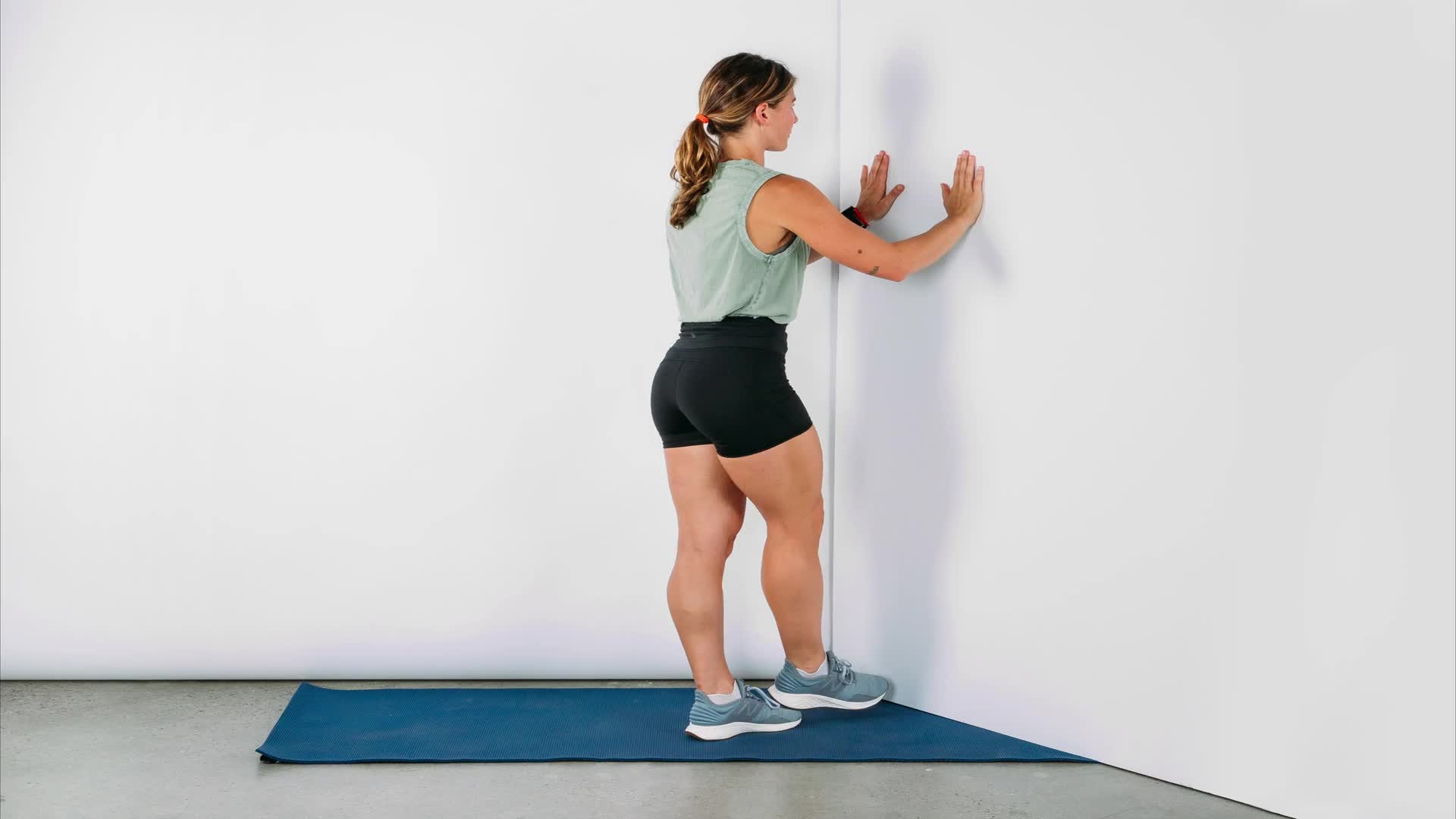
3. Straight-Leg Lateral Swing
- Health - Injuries.
- You need no equipment.
- Nutrition - Weight Loss
- Advertisement - Continue Reading Below.
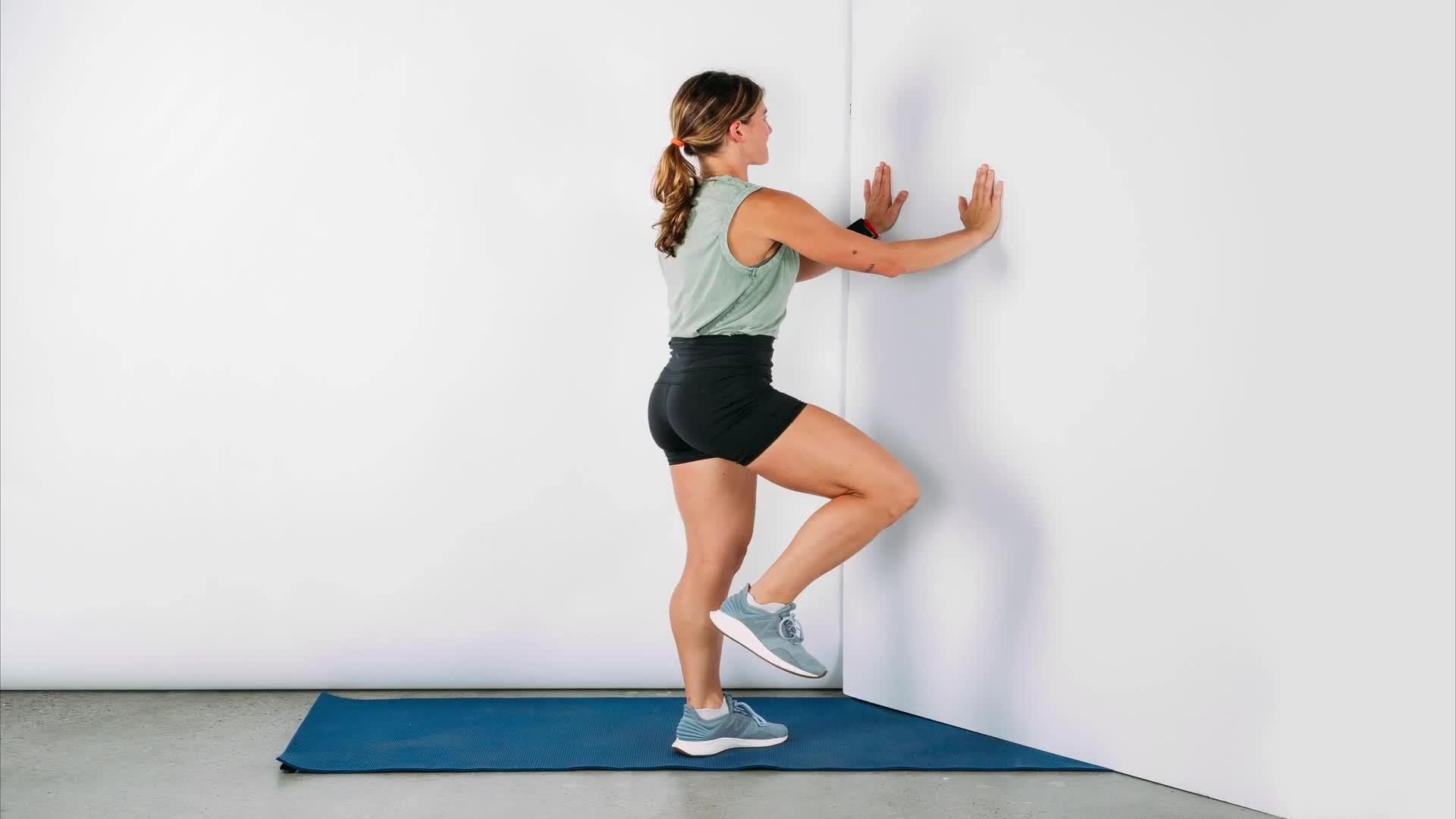
4. Bent-Knee Lateral Swing
- Health - Injuries.
- Bend right knee to a 90-degree angle, and drive it toward left shoulder and then out to the right.
- Nutrition - Weight Loss.
- Advertisement - Continue Reading Below.
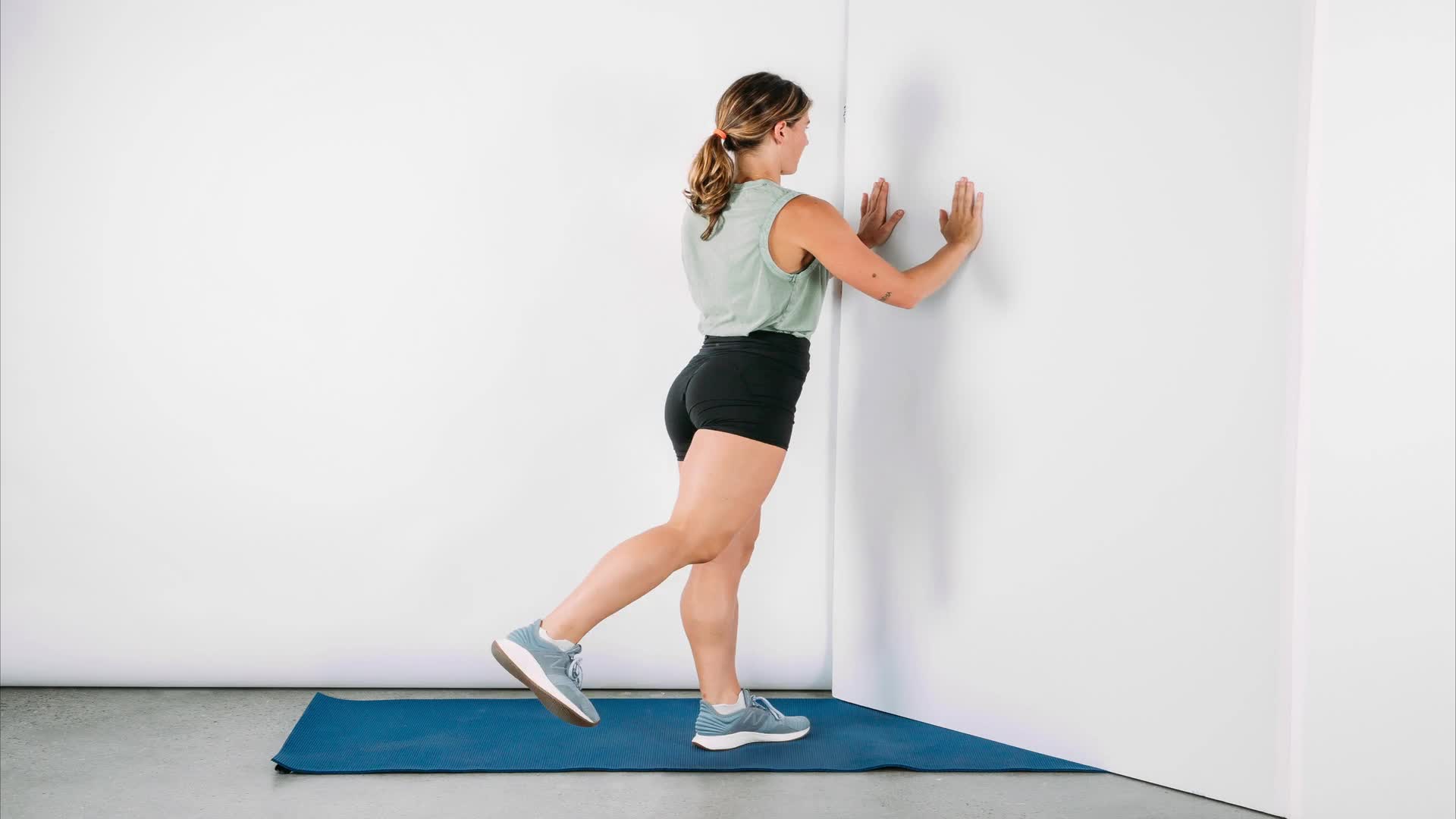
5. Bent-Knee Forward Swing
- Health - Injuries.
- Bend right knee to a 90-degree angle, and drive it up toward chest then extend the leg straight out behind you.
- Nutrition - Weight Loss.
- Advertisement - Continue Reading Below.
Many runners have confessed that they skip the resistance training, dynamic stretching, and Runner’s World Train Smart, Run Forever: How to Become a Fit and Healthy Lifelong Runner by Following the Innovative 7-Hour Workout Week, by Bill Pierce and Scott Murr, Repeat for 30 seconds.



With both feet forward, take a wide step to the right

5 Updated: Jan 25, 2024 1:50 PM EST

We may earn commission from links on this page, but we only recommend products we back

14 How to Strengthen Your IT Band